📧 Phishing Emails & Fake Links – Don’t Get Trapped
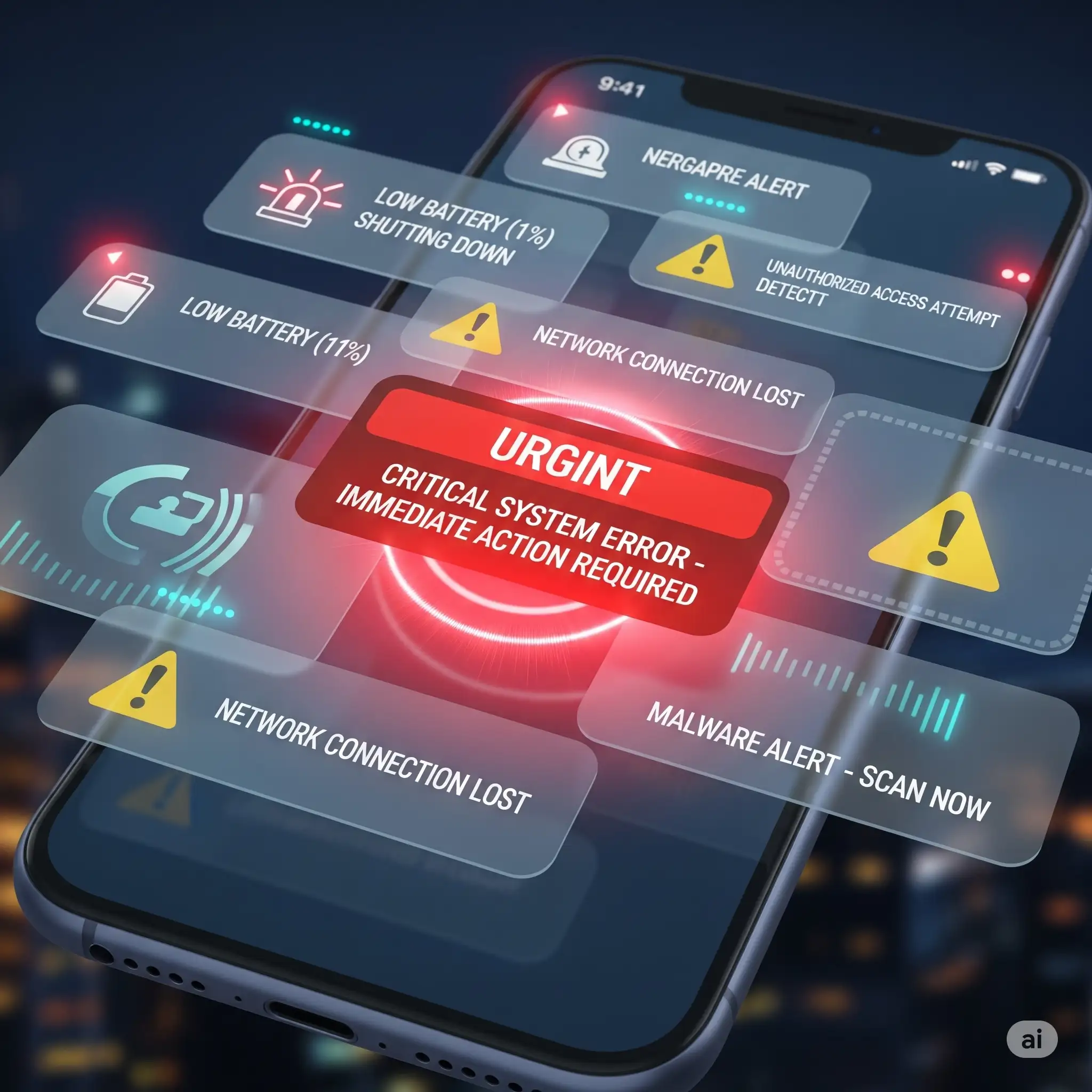
Phishing emails are one of the oldest yet most dangerous scams. Today, fraudsters have become even smarter by creating emails that look exactly like messages from banks, government agencies, or even your relatives. For seniors, these emails are particularly risky because they often look so real that it’s hard to tell the difference.
🔎 What Is a Phishing Email?
A phishing email is a fraudulent message designed to steal your personal information, passwords, or financial details. The email usually contains a link that takes you to a fake website designed to look like the real one. Once you enter your login details, scammers immediately capture them.
⚠️ Common Tricks Used in Phishing
• Fake Bank Alerts: “Your account will be suspended unless you verify.”
• Delivery Scams: “Your package is waiting. Pay ₹50 to release it.”
• Lottery Emails: “You’ve won $1,000,000! Claim now.”
• Charity Frauds: Fake disaster relief or health fund requests.
• Impersonation Emails: Emails pretending to be your grandchild or friend in trouble.
🚩 Red Flags to Spot
• Email sender address doesn’t match official domain (e.g., support@icicibank.xyz instead of support@icicibank.com).
• Misspelled URLs like paypai.com instead of paypal.com.
• Attachments ending in .exe, .zip, or .scr – these can contain malware.
• Messages filled with urgency: “Act now, last chance!”
• Greeting is generic: “Dear Customer” instead of your real name.
✅ How to Protect Yourself
• Check the sender’s address carefully before clicking anything.
• Hover over links to see the real URL before opening.
• Never download suspicious attachments.
• Enable 2FA (Two-Factor Authentication) for your email and bank accounts.
• Use spam filters in Gmail, Outlook, or Yahoo to block suspicious emails.
📞 Real-Life Example
Mr. Iyer, a 70-year-old pensioner, received an email from “SBI Support” asking him to update his KYC by clicking a link. The page looked exactly like the bank’s official site. He entered his account number and password. Within an hour, ₹80,000 was transferred from his account. The fraudster had simply cloned the website.
📊 The Numbers
According to the Anti-Phishing Working Group (APWG), phishing attacks increased by 23% in 2024 worldwide. In India, CERT-In reported thousands of phishing cases targeting seniors, especially during online shopping festivals and tax season.
❓ FAQs
Q: Can I trust emails from known companies? A: Not always. Scammers often spoof email addresses. Always verify using official websites or customer care numbers.
Q: What should I do if I clicked a phishing link? A: Change your password immediately, run an antivirus scan, and inform your bank if financial details were entered.
Q: Are all “.gov” or “.org” emails safe? A: No. Scammers can create fake lookalike domains. Always double-check spelling.
🔗 Related Reading
• 🛡️ Online Scam Guide
• 💳 Banking & OTP Fraud
• 👤 Identity Theft Protection
🚀 Final Words
Phishing scams are dangerous because they play on trust and urgency. The next time you receive an unexpected email, pause before clicking. Remember: banks and companies never ask for sensitive details through email links. Stay alert, involve your family, and always verify before you act. With these habits, seniors can stay safe from phishing scams.
Saffron Guru LLC · IT support and online protection since 2016 · Call +1 844-313-4987 · Contact us