💳 Banking & OTP Fraud – How to Stay Safe
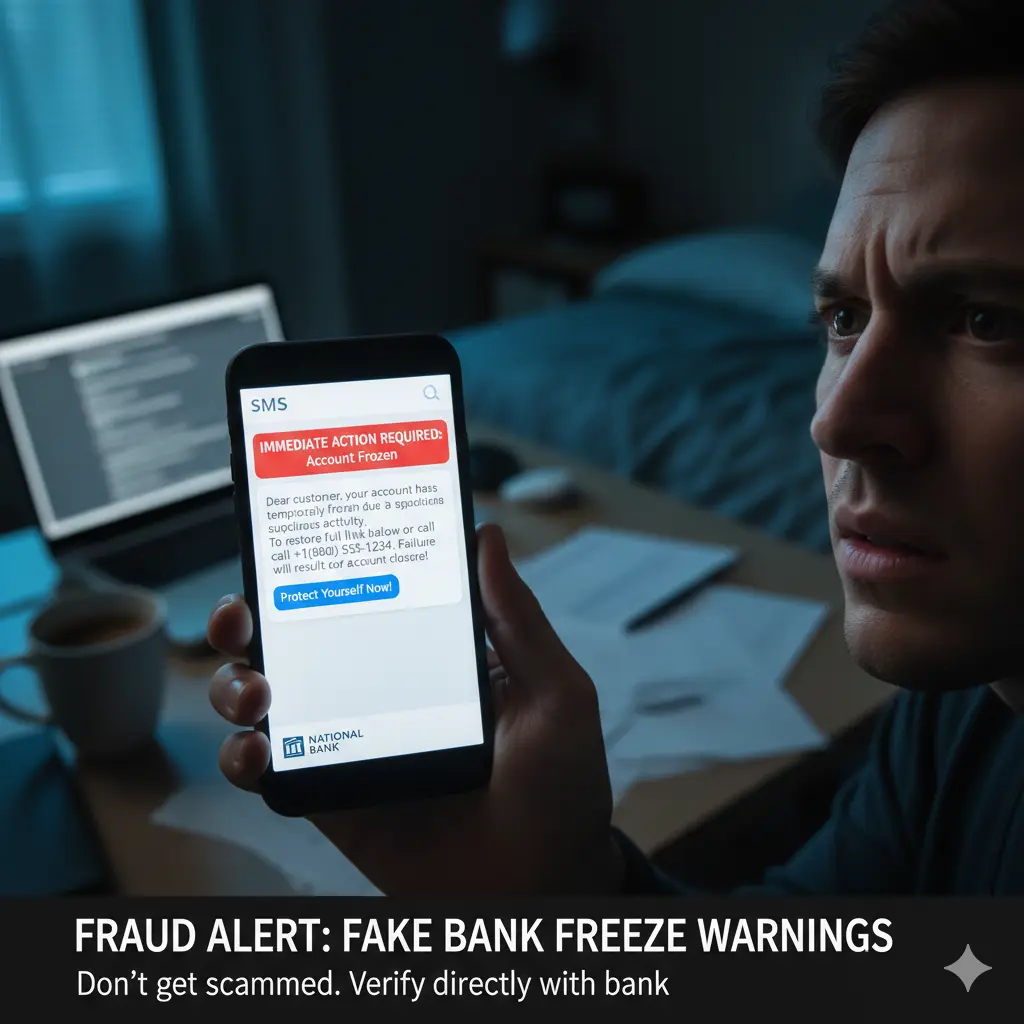
Banking fraud has become one of the biggest threats to seniors. Criminals no longer need to steal your debit card or checkbook. Instead, they use phone calls, fake SMS, and phishing websites to trick you into sharing your OTP (One-Time Password) or banking PIN. Once they have it, your savings can disappear in minutes.
⚠️ How OTP Frauds Work
Fraudsters use clever techniques to steal OTPs. Here’s how the trap unfolds:
• Fake Bank Calls: Scammers pretend to be from your bank, saying your account is blocked or needs “KYC update.”
• Urgency Trick: They create panic by saying your money will be frozen if you don’t act immediately.
• OTP Request: You receive a genuine OTP from your bank (because scammer triggered a transaction), and they trick you into sharing it.
• Instant Theft: Once they have the OTP, they transfer funds, take loans, or make online purchases in your name.
🚩 Warning Signs
• Calls asking for OTP, PIN, or CVV “for verification.”
• SMS messages with suspicious links claiming “Your account is blocked.”
• Threats like “Your ATM card will be deactivated today.”
• Requests to install apps for “secure banking” (often spyware).
✅ How to Protect Yourself
• Never share OTP: No bank or RBI official will ever ask for it.
• Use official numbers: Always call the number on your debit card or bank website, not the one in SMS.
• Enable alerts: Turn on SMS/email alerts for every transaction.
• Set daily transaction limits: This reduces losses if fraud happens.
• Report immediately: Call the cybercrime helpline 1930 in India or your country’s fraud helpline.
📞 Real-Life Case
Mr. Sharma, a retired teacher, received a call claiming to be from his bank. The caller said his ATM card would be blocked unless he verified an OTP. Within minutes of sharing, ₹1.2 lakh was withdrawn from his account. By the time he realized, it was too late. Quick reporting could have saved him.
📊 Fraud Statistics
According to the Reserve Bank of India (RBI), OTP and phishing-related banking frauds accounted for over ₹10,000 crore in reported losses in 2024. Seniors above 55 years made up nearly 35% of victims.
❓ FAQs
Q: My bank sent me an OTP, but I didn’t request it. What should I do? A: Never share it with anyone. Immediately call your bank to check if someone tried to log in to your account.
Q: Are SMS links from banks always safe? A: No. Always check the sender ID. Genuine banks don’t send clickable links for KYC or verification.
Q: What if I accidentally shared my OTP? A: Call your bank immediately, block your card, and lodge a complaint on cybercrime.gov.in.
🔗 Related Reading
• 📧 Phishing Emails & Fake Links
• 📞 Spam Calls & Robocalls
• 👤 Identity Theft Protection
🚀 Final Words
Banking & OTP frauds succeed because they exploit fear and urgency. Remember, banks will never ask for your OTP, PIN, or CVV over calls or SMS. If you stay calm, verify through official numbers, and involve your family in such decisions, you can keep your hard-earned savings safe.
Saffron Guru LLC · IT support and online protection since 2016 · Call +1 844-313-4987 · Contact us