Fraudsters Are Using Malicious QR Codes to Hijack Digital Payments QR Code Payment Redirection Scam
By Craig Hale • Jan 19, 2026 • Digital Payment Fraud
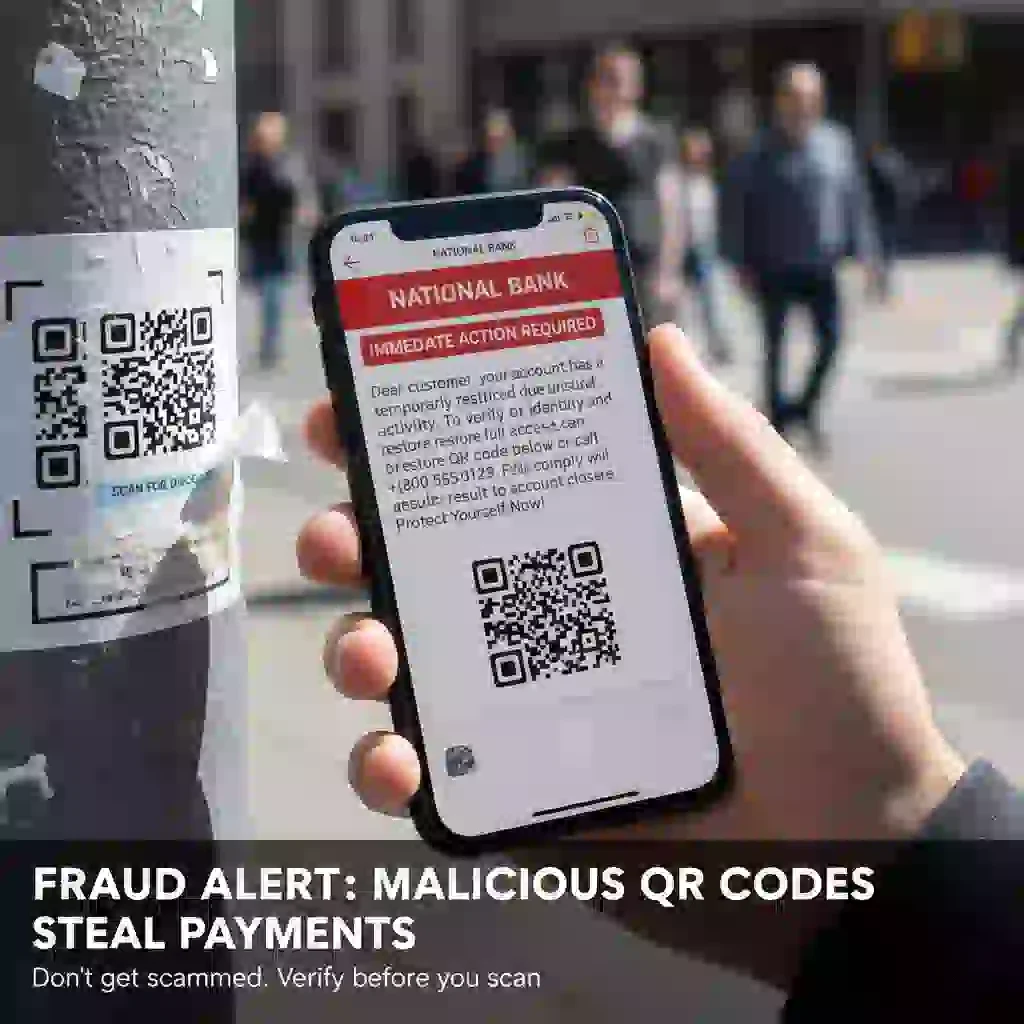
Fake QR codes are being used to redirect unsuspecting users to fraudulent payment pages, resulting in instant monetary losses.
As QR code payments become part of daily transactions, scammers are exploiting the trust users place in these quick-scan systems.
These codes often appear legitimate and are placed in locations where users expect to make routine payments.
Common Locations for Fake QR Codes
• Restaurant payment counters
• Parking fee signboards
• Fake order or delivery messages
• Public display notices
• Shared links on messaging platforms
A common trick is to place a printed sticker with a fake QR code over the real one on a parking meter, a sign or a menu. When you scan it, you land on a page that looks like a normal payment or parking website, but your card details and money go straight to the criminals. Some people have also received unexpected packages or letters with a QR code that promises to reveal who sent them. Scanning these codes can lead to fake login pages or harmful downloads.
How to Check a QR Code Before You Pay
• Look closely for a sticker placed over the original code, or any sign that the code has been tampered with
• After scanning, read the web address your phone shows before you open it
• When possible, pay through the official app or a website address you type in yourself
• Be careful with QR codes that arrive in unexpected emails, texts, letters or packages
• Never enter your bank login or card details on a page you reached from an unknown QR code
• For parking, use the official city parking app or pay at the machine instead
If You Already Paid Through a Fake QR Code
• Call your bank or card company right away and ask them to dispute the payment
• Change any password you typed on the fake page
• Tell the business or parking operator so they can remove the fake code
• Report it at reportfraud.ftc.gov and keep screenshots of the page and payment
Users should avoid scanning QR codes that prompt urgent payments or request personal information.
Using trusted apps and verifying merchants before scanning can significantly reduce risk.
Related Articles
• Why Protecting Your Email Helps Protect Your Money, Identity, and Online Accounts
• Crypto Scams Are Getting Smarter. Here’s How to Stay Protected
• Why Antivirus Alone Is No Longer Enough to Protect Your Digital Life
Saffron Guru LLC · IT support and online protection since 2016 · Call +1 844-313-4987 · Contact us