📞 Spam Calls & Robocalls – A Senior’s Guide to Safety
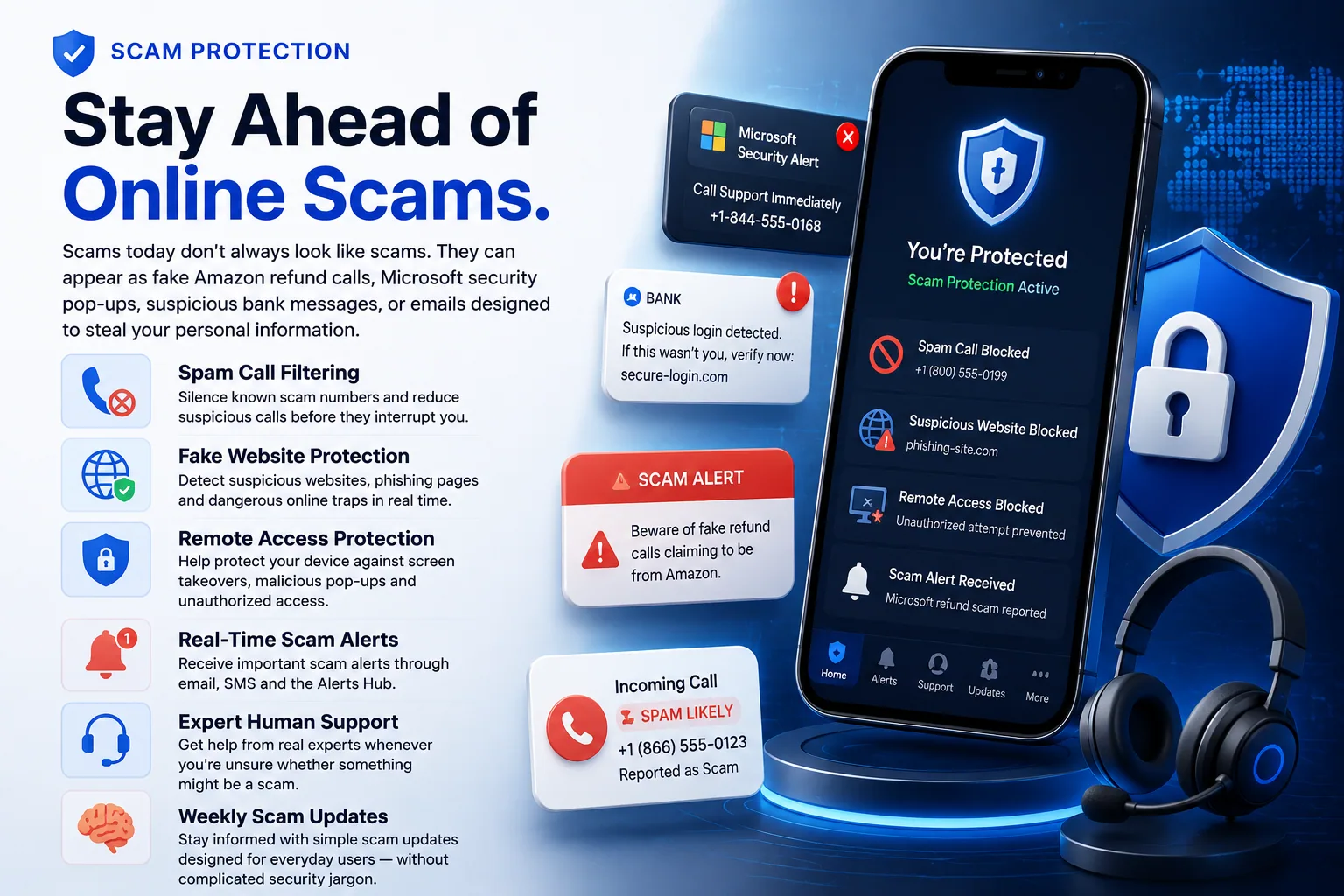
Every day, millions of people across the world receive unwanted spam calls and robocalls. For seniors, these calls are more than just an annoyance – they can lead to fraud, financial loss, and even identity theft. Today, robocall technology has become more sophisticated, making it harder to distinguish fake calls from real ones. This guide explains how these scams work and how seniors can protect themselves.
🔎 What Are Spam Calls & Robocalls?
Spam calls are unsolicited calls made by scammers, telemarketers, or fraudsters. Robocalls are automated calls that play a pre-recorded message, often pretending to be from banks, government agencies, or service providers.
⚠️ Common Types of Spam Calls
• Bank Fraud Calls: “Your account is blocked, press 1 to reactivate.”
• Tax Scam Calls: “You owe back taxes, pay now or face arrest.”
• Lottery Scams: “Congratulations! You’ve won a prize. Just pay fees to claim it.”
• Tech Support Calls: Fake agents claiming your computer is infected.
• Charity Fraud: Scammers pretending to raise money for disasters or health causes.
🚩 Red Flags of Spam Calls
• Urgency – they pressure you to act immediately.
• Threats – “Your account will be frozen” or “Police will arrest you.”
• Requests for personal info – OTP, PIN, Aadhaar, or Social Security Number.
• Payments via gift cards, UPI, or cryptocurrency.
• Caller ID Spoofing – number looks like your bank or a local number.
✅ How to Protect Yourself
• Don’t Answer Unknown Numbers: Let them go to voicemail.
• Never Press Keys: In robocalls, pressing numbers confirms your line is active.
• Block Numbers: Use your phone’s built-in block feature or carrier filters.
• Do Not Share Info: Never disclose OTP, bank details, or passwords on calls.
• Report Calls: In India, dial 1909 to report spam calls; in the U.S., use Do Not Call Registry.
📞 Real-Life Example
Mrs. Kapoor, a 67-year-old retiree, received a robocall claiming her bank account was frozen. The call asked her to “press 1” to connect with a bank officer. She pressed it, and the scammer tricked her into sharing her debit card details. Within 30 minutes, ₹50,000 was stolen. If she had hung up and called her bank directly, this fraud could have been prevented.
📊 Statistics
According to Truecaller’s 2024 report, Indians received over 17 spam calls per user per month on average. The U.S. reported 50 billion robocalls in 2024, with seniors being the most targeted group.
❓ FAQs
Q: Can my bank call me directly? A: Yes, but banks never ask for OTP, PIN, or passwords on calls. If unsure, hang up and call the bank’s official number.
Q: Are government agencies allowed to robocall? A: No. IRS, RBI, or other agencies don’t call citizens to demand money.
Q: Should I install a call-blocker app? A: Yes, apps like Truecaller, Hiya, or your carrier’s spam filter can block known spam numbers.
🔗 Related Reading
• 💳 Banking & OTP Fraud
• 🖥️ Fake Tech Support Scams
• 👤 Identity Theft Protection
🚀 Final Words
Spam calls and robocalls will continue, but you don’t have to fall victim. Remember: legitimate organizations never ask for urgent money or sensitive details over the phone. Protect yourself by ignoring suspicious calls, reporting them, and involving your family whenever you’re unsure. Caution is the best shield against scam calls.
Saffron Guru LLC · IT support and online protection since 2016 · Call +1 844-313-4987 · Contact us