🌐 Safe Online Shopping for Seniors – Shop Smart, Shop Safe
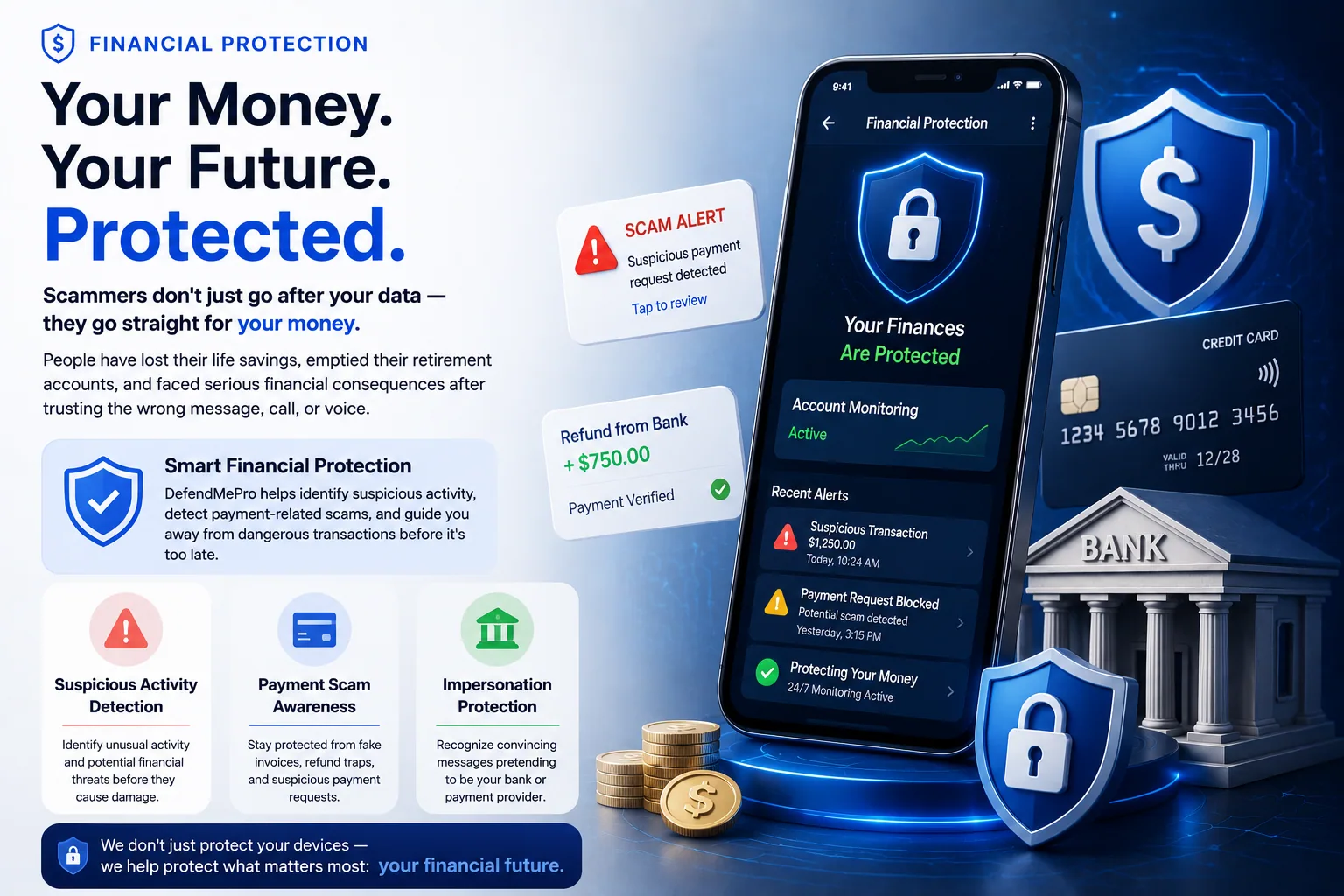
Online shopping is convenient and exciting, but it also comes with risks—especially for seniors who may not be familiar with the latest digital tricks. Today, fraudsters are running highly convincing fake shopping websites, fake discount offers, and unsafe payment pages to trick people into giving away money or personal details.
🔎 Why Seniors Are Targeted
Scammers believe seniors are more trusting and less likely to question “too good to be true” deals. Fake e-commerce sites and fraud advertisements often target seniors during festivals, end-of-season sales, or holiday offers.
⚠️ Common Online Shopping Risks
• Fake Websites: They look real but disappear after taking money.
• Unsafe Payments: Non-secure gateways that steal card info.
• Non-Delivery: Products never arrive after payment.
• Counterfeit Goods: Cheap copies sold as branded items.
• Subscription Traps: Free trial offers that secretly charge monthly fees.
🚩 Red Flags of a Fraud Shopping Site
• Website URL looks suspicious (e.g., amazon-sale.shop instead of amazon.in).
• No “https://” or padlock symbol on the payment page.
• Unrealistic discounts like 90% off iPhones.
• No clear return policy or customer service number.
• Only UPI or bank transfer options, no trusted payment gateways.
✅ Safe Shopping Tips for Seniors
• Shop Only on Trusted Sites: Amazon, Flipkart, Myntra, Walmart, Target, etc.
• Check Reviews: Look for verified buyer reviews before purchase.
• Use Cash on Delivery: If possible, pay only after receiving items.
• Credit Cards Over Debit: Credit cards have better fraud protection.
• Enable OTPs: Always use 2-step verification for payments.
📞 Real-Life Story
Mrs. D’Souza, a 68-year-old homemaker, saw a Facebook ad offering branded shoes at 80% off. She paid ₹3,000 through UPI, but the website disappeared the next day. No product, no refund. If she had checked reviews or used Cash on Delivery, she would have avoided this loss.
📊 Statistics
In 2024, India reported over 60,000 cases of online shopping fraud. Globally, the U.S. Federal Trade Commission (FTC) said seniors lost $380 million to fake online stores. Shopping scams are now among the top 3 most reported frauds worldwide.
❓ FAQs
Q: Is Cash on Delivery always safe? A: Yes, but always open the package in front of the delivery person to confirm the right product was delivered.
Q: How do I check if a site is real? A: Look for “https://”, read reviews, and check if the site is listed on Google Shopping or trusted directories.
Q: Should I save my card details on shopping sites? A: Avoid saving details. Enter them manually every time for safety.
🔗 Related Reading
• 📧 Phishing Emails & Fake Links
• 💰 Investment & Lottery Scams
• 🔑 Password Safety & Account Security
🚀 Final Words
Online shopping is a blessing, but only when done safely. Seniors must stay alert, shop from trusted sources, and never rush into “limited-time” offers without verifying. If a deal looks too good to be true, it probably is. Shopping smart is the best way to stay protected.
Saffron Guru LLC · IT support and online protection since 2016 · Call +1 844-313-4987 · Contact us